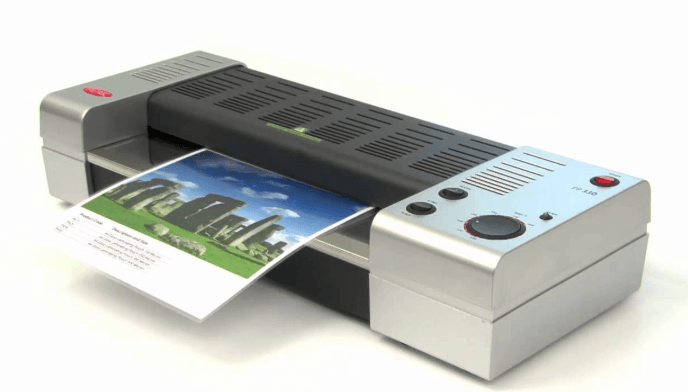
In today’s fast-paced industrial world, efficiency, durability, and precision are essential factors for success. Manufacturers across packaging, printing, furniture, and textile industries rely heavily on advanced machinery to maintain quality and production speed. One of the most important machines in this category is the industrial laminator machine.
This machine plays a vital role in bonding different layers of materials into a single, strong, and durable structure. With increasing demand for high-quality finished products, industrial laminator machines have become a core part of modern manufacturing systems worldwide.
What is an Industrial Laminator Machine?
An industrial laminator machine is a heavy-duty device designed to apply protective or decorative layers onto various materials such as paper, plastic films, aluminum foil, fabric, and wood panels.
The purpose of this process is to improve the strength, appearance, and durability of the final product. Unlike small-scale laminators, industrial machines are built for continuous operation and large-volume production.
These machines are widely used in industries where high output and consistent quality are required.
Importance of Industrial Laminator Machines in Modern Industry
In modern manufacturing, product quality is directly linked to machinery performance. The industrial laminator machine ensures that products meet high standards of durability and appearance.
Key reasons why these machines are important include:
- High-speed production capability
- Uniform lamination quality
- Improved product durability
- Reduced production waste
- Cost-effective manufacturing process
- Compatibility with multiple materials
Because of these advantages, industries around the world depend on industrial laminator machines for large-scale production.
How an Industrial Laminator Machine Works
The working process of an industrial laminator machine is based on precision engineering and controlled automation.
Material Feeding System
Raw materials such as film, paper, or foil are loaded into the machine through feeding rollers.
Surface Preparation
Depending on the process type, materials may be coated with adhesive or heated to prepare for bonding.
Lamination Process
Multiple layers are combined under controlled pressure and temperature using high-precision rollers.
Alignment Control
Advanced systems ensure that all layers remain properly aligned during the process.
Curing or Cooling
The laminated material is stabilized to ensure strong bonding and long-lasting durability.
Output Handling
The final laminated product is rolled or cut into sheets depending on industrial requirements.
This continuous process allows for efficient large-scale production.
Types of Industrial Laminator Machines
Industrial laminator machines come in different types depending on production requirements and material compatibility.
Thermal Laminator Machines
These machines use heat and pressure to bond materials together. They are commonly used in packaging and printing industries.
Cold Laminator Machines
Cold laminators use pressure-sensitive adhesives instead of heat, making them suitable for heat-sensitive materials.
Adhesive-Based Laminators
These systems apply liquid or semi-liquid adhesives between layers for strong bonding.
Extrusion Laminator Machines
These machines use molten polymer layers to bond materials, commonly used in heavy-duty packaging.
High-Speed Automatic Laminators
Designed for large-scale production, these machines operate continuously with minimal human intervention.
Each type serves a specific industrial purpose.
Key Features of Modern Industrial Laminator Machines
Modern industrial laminator machines are equipped with advanced technologies that enhance productivity and precision.
High-Speed Operation
These machines are designed for continuous, high-volume production.
Automated Control Systems
Digital PLC systems allow easy control of temperature, pressure, and speed.
Precision Alignment
Ensures accurate bonding of multiple layers without defects.
Energy Efficiency
Modern machines are designed to reduce energy consumption while maintaining high output.
Smart Monitoring Systems
Sensors track performance and detect errors in real time.
Multi-Material Compatibility
Can handle different types of materials including films, paper, and foils.
Applications of Industrial Laminator Machines
Industrial laminator machines are used in a wide range of industries due to their versatility.
Packaging Industry
Used for food packaging, beverage packaging, and industrial packaging to improve strength and durability.
Printing Industry
Used for laminating posters, books, magazines, labels, and promotional materials.
Furniture Industry
Applied to wooden panels and boards to create decorative and protective surfaces.
Textile Industry
Used for waterproof fabrics and industrial textiles.
Electronics Industry
Provides insulation and protection layers for electronic components.
Automotive Industry
Used in interior panels and insulation materials.
The wide range of applications makes this machine highly valuable in industrial production.
Advantages of Industrial Laminator Machine
Businesses using industrial laminator machines gain several long-term benefits.
Improved Production Efficiency
Supports continuous and fast manufacturing processes.
High-Quality Output
Ensures consistent lamination quality across all products.
Reduced Labor Costs
Automation reduces the need for manual work.
Strong Product Durability
Improves resistance against moisture, heat, and physical damage.
Versatility
Suitable for multiple materials and industrial applications.
Cost Savings
Reduces waste and improves overall production efficiency.
Technological Advancements in Industrial Laminator Machines
Modern technology has significantly improved the performance of industrial laminator machines.
Key innovations include:
- Servo motor control systems
- AI-based quality monitoring
- IoT-enabled machine tracking
- Automated defect detection
- Touchscreen control panels
- Real-time production analytics
These features help industries achieve higher efficiency and better quality control.
Role in Modern Manufacturing Industry
The industrial laminator machine plays a crucial role in supporting global manufacturing industries. As demand for high-quality packaged and finished goods continues to rise, manufacturers rely on these machines to maintain productivity and consistency.
It helps industries achieve:
- Faster production cycles
- Better product quality
- Higher operational efficiency
- Improved competitiveness
This makes it a key part of modern industrial infrastructure.
Environmental Impact and Sustainability
Sustainability has become an important factor in modern manufacturing. Industrial laminator machines are now designed with eco-friendly features.
These include:
- Lower energy consumption
- Reduced material waste
- Compatibility with recyclable materials
- Solvent-free lamination options
- Cleaner production processes
These improvements help industries meet environmental standards and reduce their carbon footprint.
Challenges in Using Industrial Laminator Machines
Although highly efficient, these machines also come with some challenges:
- High initial investment cost
- Requirement for skilled operators
- Regular maintenance needs
- Complex machine calibration
However, long-term benefits usually outweigh these challenges.
See also: How a Quality Mattress Shop Helps Improve Sleep and Wellness
Future of Industrial Laminator Machines
The future of industrial laminator machines is expected to focus on automation, intelligence, and sustainability.
Future developments may include:
- Fully automated smart production lines
- AI-driven quality control systems
- Predictive maintenance technology
- Faster multi-layer processing
- Advanced eco-friendly materials
These innovations will further enhance industrial productivity and efficiency.
Conclusion
The industrial laminator machine is an essential part of modern manufacturing industries, providing high-speed, high-quality, and cost-effective lamination solutions. It is widely used in packaging, printing, furniture, textiles, electronics, and automotive sectors.
With continuous technological advancements and growing industrial demand, these machines will continue to play a major role in global production systems. Businesses that invest in advanced industrial laminator machines gain improved efficiency, better product quality, and strong long-term growth potential.