Industrial filtration systems are essential for maintaining clean production environments, reducing pollution, and protecting industrial equipment. One of the most important components of these systems is the filter bag. Businesses across industries such as cement, pharmaceuticals, chemicals, mining, food processing, and water treatment rely heavily on high-quality filtration products for efficient operations. Because of this growing demand, understanding filter bag price has become an important topic for industrial buyers and manufacturers.
The price of filter bags can vary depending on several factors such as material quality, filtration efficiency, size, temperature resistance, and customization requirements. Choosing the right filter bag is not only about finding the lowest price but also about ensuring long-term performance, durability, and cost-effectiveness.
In today’s competitive industrial market, companies are looking for affordable filtration solutions that provide high performance and reliable operation. Understanding the factors that influence filter bag pricing can help businesses make better purchasing decisions.
What Are Filter Bags?
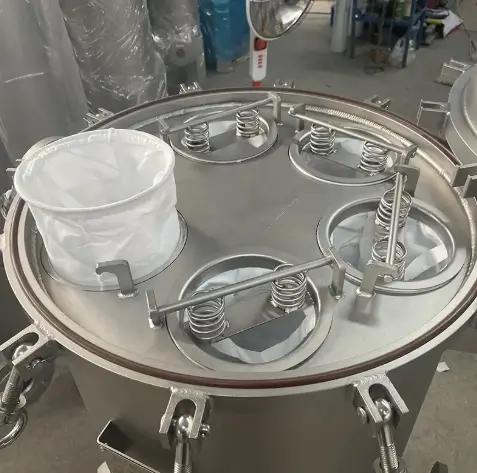
Filter bags are industrial filtration products used to remove dust, contaminants, and solid particles from air or liquid systems. These bags are commonly installed in:
- Dust collection systems
- Baghouse filtration units
- Liquid filtration systems
- Industrial processing equipment
- Pollution control systems
Filter bags work by trapping unwanted particles while allowing clean air or liquid to pass through the filtration material.
Different industries use different types of filter bags depending on operating conditions and filtration requirements.
Factors That Affect Filter Bag Price
The price of filter bags depends on multiple factors. Understanding these factors helps businesses choose suitable products according to their operational needs and budget.
Material Quality
The material used in manufacturing filter bags has a major impact on pricing. High-performance materials usually cost more because they offer better durability and filtration efficiency.
Common materials include:
- Polyester
- Polypropylene
- Nylon
- PTFE
- Fiberglass
- Aramid
For example, PTFE and fiberglass filter bags are generally more expensive because they can withstand high temperatures and harsh chemical environments.
Size and Dimensions
Larger filter bags require more material and manufacturing effort, which increases the overall cost. Custom sizes may also have higher prices compared to standard dimensions.
Filtration Efficiency
Filter bags designed to capture extremely fine particles often use advanced filtration technologies and premium materials, resulting in higher prices.
Temperature Resistance
Industries operating under high temperatures require heat-resistant filter bags. These specialized products usually cost more due to their advanced construction and thermal durability.
Chemical Resistance
Filter bags used in chemical industries need strong resistance to corrosive substances. Chemical-resistant materials increase production costs and product pricing.
Customization Requirements
Custom-designed filter bags are generally more expensive because they are manufactured according to specific industrial requirements and equipment configurations.
Quantity Purchased
Bulk orders often reduce the cost per unit. Many manufacturers and suppliers offer discounts on wholesale purchases.
Types of Filter Bags and Their Pricing
Different filter bags have different pricing structures depending on their applications and materials.
Dust Collector Filter Bags
Dust collector filter bags are commonly used in industries such as cement, mining, and steel manufacturing. Their prices vary depending on dust load capacity and material type.
Liquid Filter Bags
Liquid filter bags are used in water treatment, food processing, and pharmaceutical industries. Pricing depends on micron rating, material, and chemical compatibility.
High-Temperature Filter Bags
These filter bags are designed for extreme operating environments and are generally more expensive because of specialized materials such as PTFE and fiberglass.
Custom Filter Bags
Custom filter bags are priced according to specific dimensions, material requirements, and filtration performance standards.
Why Cheap Filter Bags May Not Always Be Better
Many businesses focus only on low prices when purchasing filter bags. However, cheap filtration products may create long-term operational problems.
Shorter Lifespan
Low-quality filter bags may wear out quickly and require frequent replacements.
Reduced Filtration Efficiency
Poor filtration performance can affect product quality and increase pollution levels.
Higher Maintenance Costs
Inferior filter bags may cause equipment damage and increase maintenance expenses.
See also: EV Charging Solutions for Your Business: Complete Guide
Increased Downtime
Frequent filter replacement can interrupt industrial operations and reduce productivity.
For this reason, industries should focus on value and performance instead of only considering initial pricing.
Benefits of Investing in High-Quality Filter Bags
Although premium filter bags may have a higher price, they provide significant long-term benefits.
Better Filtration Performance
High-quality filter bags capture fine particles more effectively and improve operational efficiency.
Longer Service Life
Durable materials reduce replacement frequency and maintenance costs.
Improved Equipment Protection
Efficient filtration protects machinery from contamination and damage.
Environmental Compliance
Reliable filter bags help industries meet environmental regulations and reduce emissions.
Reduced Operational Costs
Long-lasting filtration products improve productivity and reduce downtime.
Industries That Use Filter Bags
Filter bags are used in many industrial sectors because of their efficiency and reliability.
Cement Industry
Dust collection filter bags help control emissions generated during cement production.
Pharmaceutical Industry
Pharmaceutical manufacturing requires contamination-free environments supported by efficient filtration systems.
Food Processing Industry
Filter bags help maintain hygiene and remove impurities during food production.
Chemical Industry
Chemical plants require durable filter bags capable of handling corrosive materials.
Mining Industry
Mining operations generate heavy dust loads that require strong filtration solutions.
Water Treatment Plants
Liquid filter bags help remove suspended particles during water purification processes.
How to Choose the Right Filter Bags
Selecting the correct filter bags involves more than simply comparing prices.
Understand Operating Conditions
Temperature, pressure, humidity, and chemical exposure should be evaluated before selecting filtration products.
Choose Suitable Materials
Different industrial applications require different filtration materials.
Evaluate Micron Rating
Micron rating determines the particle size the filter bag can capture.
Consider Long-Term Value
High-quality filter bags may cost more initially but provide better long-term savings.
Work with Reliable Suppliers
Trusted suppliers provide better product quality, technical support, and customized solutions.
Future Trends in Filter Bag Pricing
The industrial filtration market continues to evolve with technological advancements and increasing environmental awareness.
Future trends influencing filter bag prices include:
- Eco-friendly filtration materials
- Smart filtration monitoring systems
- Advanced filtration technologies
- Improved durability and efficiency
- Automation in manufacturing
As production technologies improve, manufacturers are expected to offer more efficient and cost-effective filtration solutions.
Conclusion
Understanding filter bag price is important for industries looking to maintain efficient and reliable filtration systems. The cost of filter bags depends on factors such as material quality, filtration efficiency, temperature resistance, customization, and quantity purchased.
While low-cost filter bags may seem attractive initially, investing in high-quality filtration products often provides better long-term value through improved performance, durability, and reduced maintenance costs.
Industries such as cement, pharmaceuticals, chemicals, mining, food processing, and water treatment all rely on efficient filter bags for cleaner operations and environmental compliance. Choosing the right filter bags based on both performance and price can significantly improve industrial productivity and operational efficiency.
As industrial standards continue to rise, the demand for durable and advanced filtration solutions will continue to grow, making filter bags an essential investment for modern industrial operations.