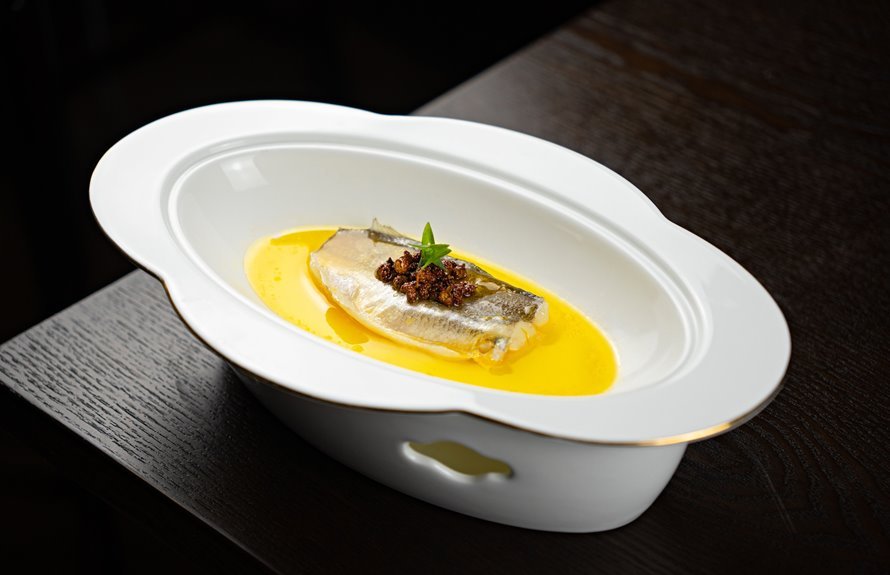
Jisbeinierogi emerge as a culinaryriddle, blending memory with craft. The name hints at tradition while inviting revision through technique and texture. Each bite promises a balance of salt, fat, and bright acidity, framed by aromatic fillings that whisper of distant kitchens. The experience unfolds on a warm slate, finished with herb oil and zest, then lingers with folklore that both clarifies and complicates what is imagined about them. Curiosity lingers, urging a closer look.
What Exactly Is Jisbeinierogi and Where Does It Come From?
What exactly is Jisbeinierogi, and where does it come from? The term invites curiosity about origins and lineage, a concise map of tradition. In this portrait, Jisbeinierogi origins are traced through shared recipes and regional memory, while jisbeinierogi authenticity signals deliberate technique and recognizable character. The description remains precise, vivid, and free-minded, shaping a clear, intriguing picture of a curious culinary identity.
What Makes Jisbeinierogi Fillings Uniquely Flavorful?
From the thread of origins established earlier, the focus shifts to the fillings that render Jisbeinierogi distinctly flavorful. They balance salt, fat, and acidity with targeted aromatics, yielding layered umami and bright contrasts.
Unrelated flavor pairing crops up, expanding the palate beyond tradition. Yet marketing hype occasionally shadows nuance, challenging readers to discern authenticity amid spectacle and provenance.
How to Enjoy Jisbeinierogi: Best Serving Ideas and Pairings
Across the table, Jisbeinierogi invite a careful sequence of savoring: first texture, then contrast, followed by a gentle bloom of its aromatic fillings.
The piece guides how to plate: align dumplings on a warm, minimal slate, drizzle a light herb oil, and finish with zest.
Pair thoughtfully with best beverages that elevate aroma, balance richness, and invite curiosity.
The Quirky Cult Status: Myths, Folklore, and How Fans Savor Them
The quirky cult status of Jisbeinierogi rests on a blend of whispered myths and tactile pleasures, where fans narrate origin tales as eagerly as they sample a bite. Detached observers note myth debunking alongside vivid folklore traditions, revealing a culture built on curiosity and taste. Fans savor them both communally and privately, preserving rituals while questioning legends with disciplined skepticism.
Frequently Asked Questions
Are Jisbeinierogi Vegan-Friendly or Gluten-Free Options Available?
Jisbeinierogi can offer vegan friendly options and gluten free variations, depending on preparation. The dish invites experimentation, with chefs exploring plant-based fillings and gluten-free doughs, crafting curious, precise textures that respect dietary freedom while maintaining distinctive character.
Which Regional Variations of Jisbeinierogi Exist Worldwide?
Regional variations of jisbeinierogi exist worldwide, showcasing diverse fillings and doughs. Global adaptations appear in coastal, alpine, and urban markets. Vegan friendly options and gluten free swaps are noted, inviting curious appetites while celebrating culinary freedom.
What Is the Best Pantry Substitute for Traditional Ingredients?
In allegory, a cautious pantry ghost negotiates with time, suggesting pantry swap ideas and flavor trade offs. The best substitute balances texture and aroma, offering freedom while preserving essence, encouraging curious cooks to improvise yet stay thoughtfully precise.
How Long Do Jisbeinierogi Stay Fresh in the Fridge?
Jisbeinierogi keep safely for about 3–4 days in the fridge, depending on freshness. This curious, precise note appears in fridge storage guidance, describing careful containment, aroma preservation, and mindful labeling for a freedom-seeking audience.
Do Jisbeinierogi Have Any Spice-Level Classifications?
Jisbeinierogi do exhibit spice level classifications, though they vary by batch. They reflect regional spice profiles, offering mild to bold heat sensations. The curious diner notes nuanced peppercorns, peppers, and herbs shaping each bite with deliberate regional nuance.
Conclusion
Jisbeinierogi emerge as a psalter of textures and tastes, each bite a careful balance of salt, fat, and brightness. They travel from region to table, bearing technique like a seal on parchment. Fillings weave layers of umami with targeted aromatics, while serves spotlight texture first, then contrast, and finish with herb oil and zest. Myth and memory mingle without overpowering the palate, turning a simple dumpling into a story you savor—an edible map inked in flavor.