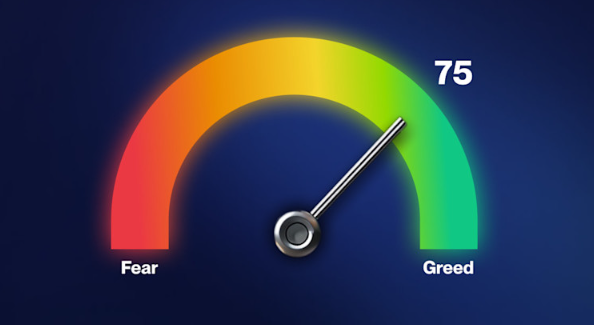
The Fear and Greed Index serves as a crucial indicator of market sentiment. It synthesizes various emotional factors that influence investment behavior. Investors often overlook the underlying dynamics of this index, which can significantly impact decision-making. Understanding its key components and how to interpret its values can reveal valuable insights. This exploration may uncover patterns that could affect investment strategies, prompting further examination of its implications in today’s financial landscape.
Understanding the Fear and Greed Index
While market sentiment often fluctuates, the Fear and Greed Index serves as a valuable tool for investors seeking to gauge the emotional landscape of the financial markets.
This index encapsulates key elements of market psychology, facilitating sentiment analysis that reflects prevailing investor attitudes.
See also: cashturf
Key Components of the Index
The Fear and Greed Index is constructed from several key components that collectively reflect the emotional state of investors.
These include volatility, market momentum, social media sentiment, and safe-haven demand.
Each component provides insights into market sentiment, influenced by various emotional factors.
How to Interpret the Index Values
Interpreting the values of the Fear and Greed Index requires a nuanced understanding of market psychology.
The index significance lies in its ability to reflect collective investor sentiment, oscillating between fear and greed. High values typically indicate exuberance, suggesting potential overvaluation, while low values reveal fear, potentially signaling undervaluation.
Investors must recognize these dynamics to navigate market fluctuations effectively.
Strategies for Using the Index in Investing
How can investors effectively leverage the Fear and Greed Index to inform their decision-making?
By understanding its index applications, investors can identify optimal investment timing. When the index signals extreme fear, it may indicate undervalued opportunities, while extreme greed could suggest a market correction.
Thus, utilizing the index as a strategic tool empowers investors to navigate market fluctuations with greater confidence and clarity.
Conclusion
In conclusion, the Fear and Greed Index serves as a compass for investors navigating the tumultuous seas of market sentiment. Just as sailors rely on weather patterns to determine safe passage, investors can use this index to identify potential turning points in the market. For instance, during periods of extreme fear, like the early days of the COVID-19 pandemic, savvy investors who recognized undervaluation found opportunities that led to substantial gains, highlighting the index’s strategic value.